

PTSD Awareness Month: How Tai Chi Aids in Trauma Recovery


June is PTSD Awareness Month, and Tai Chi is an underrated tool for feeling safer in your body.
“Somatic” and “mind-body connection” have been wellness buzzwords for the past several years, emphasizing that tuning into your bodily sensations helps slow down the mind and aid in trauma recovery. Many people know that exercise releases “feel good” chemicals in the brain and is essential to physical and mental health. So where do Tai Chi and Qi Gong fit into the picture of improving mental wellness, particularly when living with PTSD?
As part of his fitness journey, Rehan Mahmood learned the origins of Tai Chi and how it promotes mind-body balance. For him, Tai Chi is not just a hobby, but a lifestyle. The Taoist philosophies that inspired Tai Chi have shaped his identity and worldview, changing how he navigates life's challenges for the better. In honor of PTSD Awareness Month this June, Rehan breaks down how Tai Chi can calm the mind, increase bodily awareness, and reduce trauma symptoms over time.
What is Tai Chi: The Neigong Origins
Originating in China, Tai Chi grew from the ancient Taoist tradition Neigong, which means “internal skill.” Focused on cultivating life energy (chi/qi) through breath, stillness, and awareness, Rehan thinks of Neigong as an internal martial art or a dance between the parasympathetic and sympathetic nervous systems. Using gravity consciously to contract/relax muscles slowly and gently, where your mind’s intention goes, your body will follow.
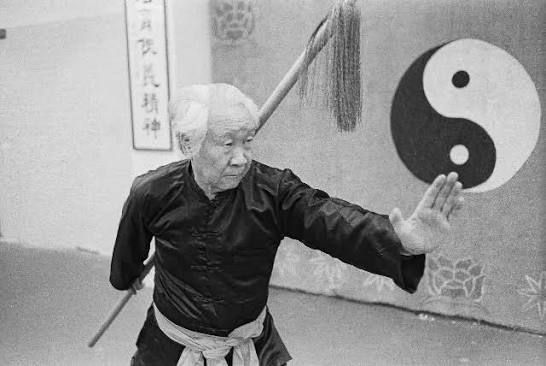
Tai Chi began around the 17th century. While Neigong was developed for inner work, Tai Chi became the external flowing form of self-defense martial arts. Today, Tai Chi sequences are practiced slowly, with deep breathing and proper form and spinal alignment, which helps improve proprioception, the ability to sense where one’s body parts are in space. Executing moves while mindfully “moving energy” also improves interoception, the ability to identify internal bodily states ranging from hunger, thirst, and sleepiness to emotions. While proprioception tracks the body’s position, interoception refers to what’s happening internally.
Tai Chi and PTSD Management
PTSD is defined as a mental health condition acquired after experiencing or witnessing a traumatic event or events. Symptoms range from flashbacks, nightmares, and panic attacks to dissociation and avoidance, with physiological symptoms such as rapid heart rate or high blood pressure. If you're recovering from PTSD, you need support, whether through therapy, community, or both. But you should also get in touch with your bodily needs. Tai Chi slows the mind down, which is great for calming anxiety, and a trauma-informed practitioner can guide students when sensations or emotions arise unexpectedly. Some people who have very active minds find meditation boring, and Tai Chi is essentially mindfulness in motion. In 2016, a study examined 17 veterans with PTSD who took four sessions of beginner Tai Chi. The majority of participants reported that Tai Chi helped calm intrusive thoughts, concentration difficulties, and other anxiety symptoms.
Trauma-Informed Tai Chi Pose: White Crane Spreads Wings
The “white crane spreads wings” is considered a Sun-style sequence. Originating in the 20th century, Sun-style Tai chi features hand circling, flowing motions paired with high stances. From a self-defense stance, the " white crane spreads wings” allows one-arm blocking while “sweeping” with the lower hand to protect the body. Below are the instructions along with a demonstration video:
Stand with legs about shoulder-width apart.
Hold your hands at your chest, as though you’re holding a ball.
Breathe in, let the ball expand slightly, and exhale, gently “squeezing” the ball of energy.
Shift weight onto the right leg, stepping the other foot more to the left simultaneously, with the hands/ball of energy going in the right (northeastern) direction, extending away from the body.
Shift your weight into your left foot, slowly spreading both palms away from each other up, as if washing a wall, and slowly start shifting weight back into the left foot.
Put weight on left foot, bringing back right foot and hand in at the same time toward the body.
Lift the left arm as this weight shift happens, and protect pelvic area with right hand.
Allow the left arm to “rise” down as and the right arm to “fall” upward (attend my class to learn why I used opposite verbs!)
Meet hands in the heart-sternum area, and take a step forward with right foot to meet the left foot.
Open/Close (inhale/exhale)
Rehan Mahmood focuses on making Tai Chi classes accessible to all body types and abilities. Having received trauma-informed training, Rehan has worked with people who have trauma histories, as well as neurological and physical impairments. While Tai Chi should feel relaxing, Rehan is informed on what to do in case one experiences very sudden, overwhelming sensations with movement. If you’re looking for some mindful movement to help you forget life stressors even for a bit, join Rehan for Tai Chi/Qi Gong at Vantage Health and Fitness Collective at 12 PM on Wednesdays. Walk-ins and prior sign-ups are welcome.


Comments